News
Lalbandi Municipality Ward No. 3 Steps into History as It Moves to Declare a Dignified Menstruation-Friendly Ward
Lalbandi Municipality Ward No. 3 Steps into History as It Moves to Declare a Dignified Menstruation-Friendly Ward
April 24, 2026 | Lalbandi, Sarlahi, Nepal
In a world where menstrual discrimination continues to shape inequalities across societies, Lalbandi Municipality Ward No. 3, Jabdi, is taking a historic step toward redefining menstruation as a matter of dignity, human rights, and social justice.
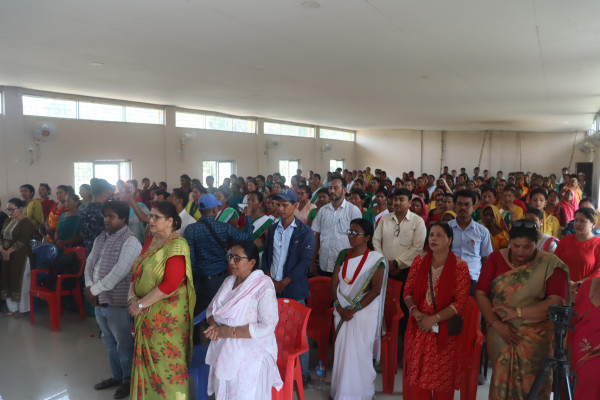
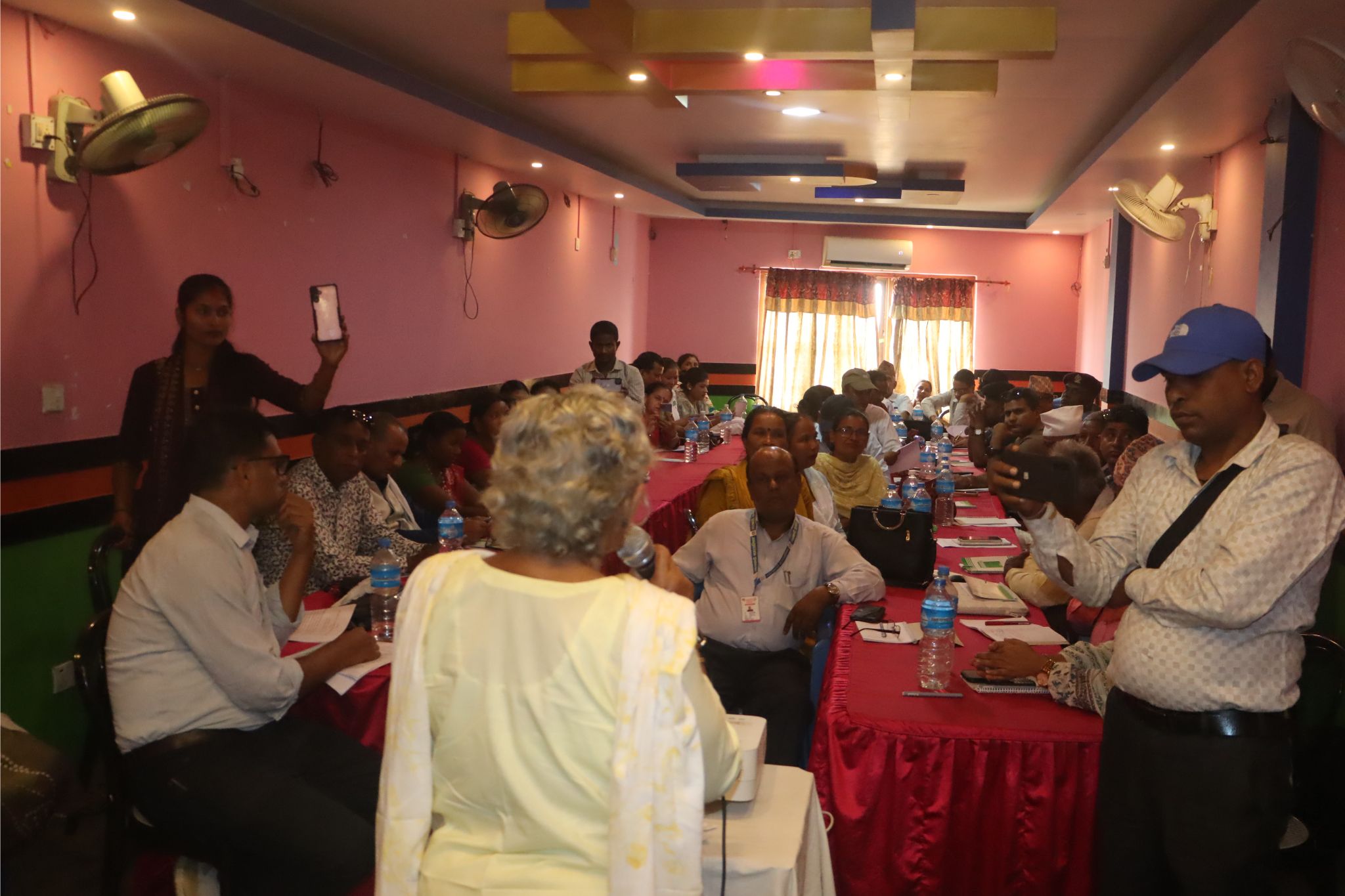
Today, a press meet and interaction program was organized by Lalbandi Municipality in collaboration with Radha Paudel Foundation (RPF) and Child Protection Organization (CPO), marking the formal process of announcing the ward as a “Dignified Menstruation Friendly Ward.”
This initiative stands as part of a growing global movement that challenges deeply rooted stigma, silence, and structural discrimination associated with menstruation. Across many parts of the world, menstruation has long been treated as a taboo—restricting participation, reinforcing gender inequality, and limiting access to education, health, and decision-making spaces.
Against this global backdrop, the concept of Dignified Menstruation (DM) emerges as a transformative framework—one that goes beyond hygiene and positions menstruation at the intersection of human rights, gender equality, sexual and reproductive health and rights (SRHR), social justice, and sustainable development.
The initiative in Lalbandi is grounded in Resolution Motion on Dignified Menstruation 2025 and the Dignified Menstruation Friendly Ward Guideline, which recognize menstrual discrimination as a systemic issue requiring institutional, behavioral, and policy-level transformation.
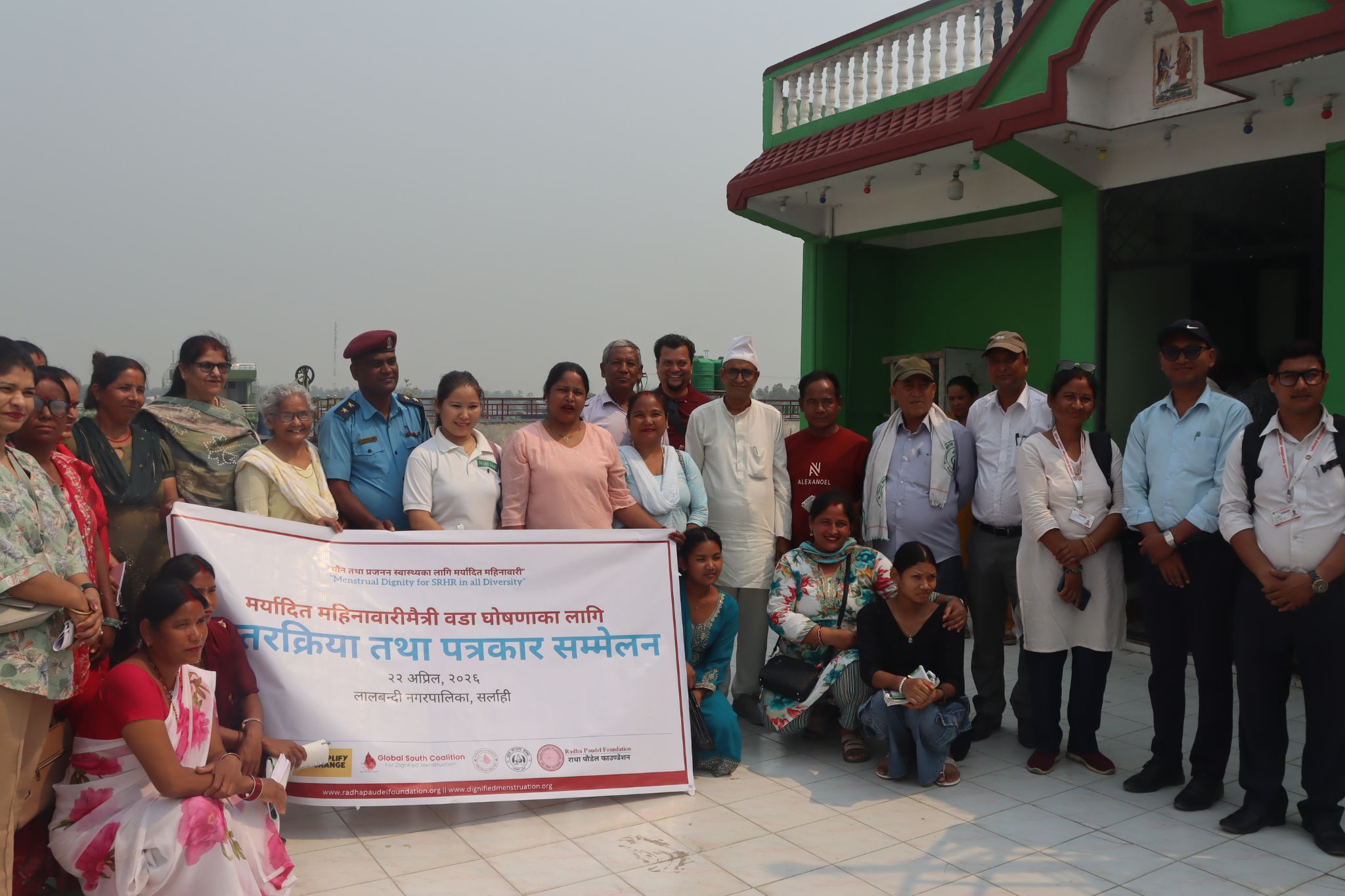
Over the past two years, through the project “Menstrual Dignity for SRHR in All Diversities,” implemented by RPF and CPO in collaboration with Lalbandi Municipality, Ward No. 3 has undergone a series of transformative processes. These include institutional strengthening, community dialogue, school engagement, health system integration, and inclusive programming addressing the needs of marginalized groups.
From forming coordination mechanisms to integrating menstrual dignity into local governance, from community awareness to environmental sustainability practices such as reusable materials, the ward has gradually built a foundation for a discrimination-free and dignified society.
The press meet today highlighted that this declaration is not merely symbolic—it represents a commitment to dismantle structural inequalities, challenge patriarchal norms, and ensure that no individual is excluded or discriminated against because of menstruation.
As Nepal continues to advance its commitments to human rights and sustainable development, Lalbandi Ward No. 3’s initiative contributes to a broader global discourse—demonstrating how local action can drive systemic change.
The formal announcement of the ward as a Dignified Menstruation Friendly Ward is expected to serve as a model for replication across other wards and municipalities, both within Nepal and beyond.
Dignified Menstruation is not just a local agenda—it is a global movement for dignity, equality, and justice.